I Looked Inside Real Families' Medicine Cabinets—Most of Us Are Stocking the Wrong Stuff
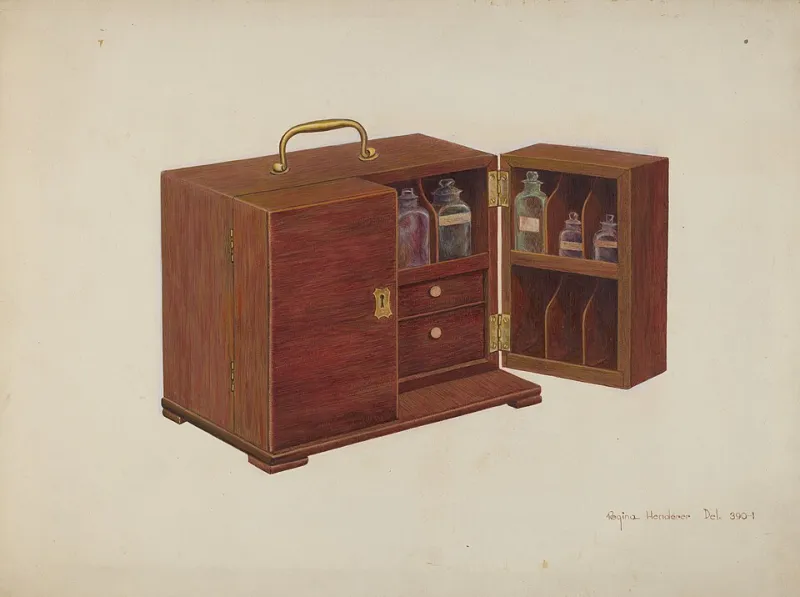
Photo: Regina Henderer, CC0, via Wikimedia Commons
I've been inside a lot of homes over the years—house calls, dinner parties, that one time a neighbor flagged me down about her husband's blood pressure. And I can tell you: the average American medicine cabinet is a museum of expired hope. A decongestant from a presidency or two ago. A prescription antibiotic ointment hoarded from 2016. Half a bottle of something that used to be pink.
Twice a year—when the clocks change is an easy trigger—give your cabinet a ten-minute audit. Here's exactly how I'd do it.
The Toss List: 12 Things That Need to Go
- Anything expired. Yes, even that "probably still fine" ibuprofen. Most medications lose potency over time; a few (like old tetracyclines, historically) have degraded into genuinely risky territory. When in doubt, out.
- That leftover antibiotic. Taking a partial course of someone else's—or your own old—antibiotics is how we breed resistant superbugs. Finish prescriptions when prescribed; never save the rest.
- Syrup of ipecac. Poison control stopped recommending this ages ago. Call Poison Control (1-800-222-1222) instead.
- Expired sunscreen. Sunscreen has a shelf life of about three years unopened, less once opened. If it's separated, smells off, or predates your kid's birthday party from 2022—toss it.
- The mystery pill. Unlabeled bottles are useless at best and dangerous at worst. No label, no place in your cabinet.
- Someone else's prescription. Your spouse's muscle relaxants, your teenager's old ADHD meds—these need to go, properly (more on that below). Keeping opioids around "just in case" is how households end up in the news.
- Fuzzy eye drops. Once opened, most eye drops are good for about a month. Expired eye drops can harbor bacteria—and you're putting them directly in your eye.
- Crushed, clumped, or discolored pills. Heat and humidity (hello, bathroom cabinets) degrade meds fast. If the tablets are stuck together or the capsules look weird, they're done.
- Medicated rubs from another era. That fossilized vapor rub jar? Expired topicals can irritate skin and don't work anyway.
- Children's meds your kids outgrew. Dosing is weight-based. What worked at age four is wrong at age nine.
- Expired home tests. Pregnancy tests, glucose strips, COVID tests—accuracy matters here. Expired tests can give false readings.
- Anything you can't identify but feel weirdly loyal to. I see you, 2011 cough syrup. Goodbye.
The Keep List: 8 Essentials Every Home Needs
Once you've cleared the clutter, stock these:
- A digital thermometer. The single most-used diagnostic tool in your house. Fever is the number one reason parents call my office.
- Acetaminophen and ibuprofen (generic, always—they're chemically identical to the brand names at a fraction of the cost). Together they cover pain, fever, and inflammation for most of the family.
- An antihistamine. Generic loratadine or cetirizine for allergies, plus diphenhydramine for acute reactions—ask your doctor before giving it to young kids.
- Hydrocortisone 1% cream. Bug bites, rashes, random itchy patches. A true workhorse.
- Adhesive bandages, gauze, and medical tape. Skip the 400-piece novelty kit; buy quality supplies you'll actually use.
- An antibiotic ointment (generic triple antibiotic) for minor cuts and scrapes.
- Oral rehydration solution or electrolyte packets. Stomach bugs, hot summers, post-workout dehydration—these are cheap and criminally underrated.
- A written list of your family's medications, doses, and allergies. Taped inside the cabinet door. In an emergency, paramedics and ER docs will thank you.
How to Dispose of Meds Safely (Not Down the Toilet)
Flushing medications sends them into waterways—traces of everything from antidepressants to hormones have shown up in US rivers. Instead:
- Use a drug take-back site. Many pharmacies and police stations have drop boxes year-round. The DEA runs National Prescription Drug Take Back Days every April and October.
- If you must trash it: Mix pills with used coffee grounds or cat litter, seal them in a bag, and toss the container. Make them unappealing and unidentifiable.
- Check the FDA's flush list. A small number of medications—certain opioids, mostly—are recommended for flushing because of overdose risk. When in doubt, check fda.gov.
What's Worth Spending On (and What Isn't)
Here's the pharmacy secret I tell every patient: generics are the same drug. The FDA requires them to be bioequivalent to brand names. Spend your money on a good thermometer, a blood pressure cuff if anyone in the house has hypertension, and quality bandages. Save it on the brand-name versions of everything else.
One caveat: if a generic causes you a reaction to a dye or filler that the brand didn't, tell your doctor. It happens occasionally and it's worth a conversation.
Put It on the Calendar
Daylight saving time is your friend here. When you change the clocks, change your cabinet. Ten minutes, twice a year. Toss the expired, restock the essentials, update the medication list on the door.
Your future self—stumbling through a 2 a.m. fever with a working thermometer and unexpired children's acetaminophen—will be deeply grateful. And so will the river.