I Sent a Patient to Walmart to Save $200 a Month—Here's How the $4 Generic Game Works

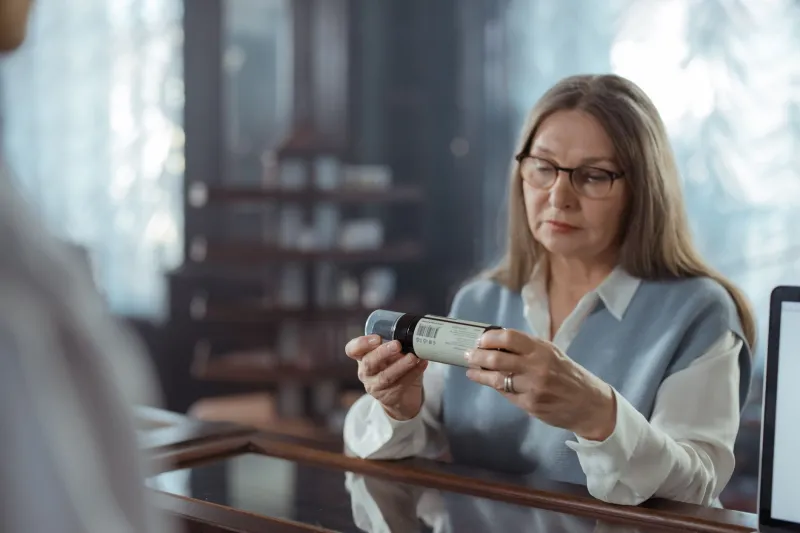
A few months back, a patient of mine—let's call her Denise—told me she was splitting her blood pressure pills in half to make them last longer. Not because her dose changed. Because money was tight.
I nearly fell out of my chair. Not because of the pill-splitting (though please don't do that without asking first—some medications can't be split safely). I was stunned because her exact medication was sitting on a discount generic list at the Walmart pharmacy ten minutes from her house. Four dollars for a 30-day supply. She'd been paying nearly $70 a month with insurance.
Nobody had told her. That's the part that gets me. So today, consider this your formal notification.
What Exactly Is the $4 List?
Back in 2006, Walmart launched a program offering a rotating roster of generic medications for $4 per month (or $10 for a 90-day supply). Other chains—Kroger, Publix, Harris Teeter, and various regional grocers—rolled out similar lists, some even cheaper. Publix famously offers certain antibiotics free.
These programs exist because generic drugs are cheap to produce once the patent on the brand-name version expires. Pharmacies use these lists as loss leaders to get you in the door, betting you'll buy cough syrup and greeting cards while you're there. Fine by me. Free enterprise can occasionally work in your favor.
What's Usually on These Lists?
The exact roster changes, and I can't promise any specific drug is on any specific store's list this week—that's what the pharmacy's website or a phone call is for. But the lists tend to be heavy on medications for the most common chronic conditions in America, including:
- Blood pressure meds like lisinopril, amlodipine, and metoprolol
- Cholesterol drugs, especially atorvastatin (the generic Lipitor)
- Diabetes medications like metformin and glipizide
- Mental health staples like sertraline and fluoxetine
- Thyroid medication (levothyroxine)
- Antibiotics like amoxicillin
- GERD/reflux meds like omeprazole
Notice a theme? These are the workhorses of American medicine—taken by millions of us daily for years at a time. Which is exactly why a $4-versus-$70 difference compounds so brutally over a decade.
The Catch (Because There's Always a Catch)
A few honest caveats before you sprint to the pharmacy:
Your specific medication might not qualify. Lists are narrow. A slightly different formulation or dose may fall outside the program.
Insurance usually won't stack. You generally can't use the discount and your insurance on the same fill. Sometimes the discount is still cheaper than your copay, which tells you something about our system, but you'll need to pay cash and possibly not run it through insurance at all.
Newer drugs won't be there. Brand-name medications still under patent—think newer GLP-1s, brand inhalers, many newer antidepressants—aren't available as cheap generics yet. That's just how patent law works.
Price-shopping takes effort. Good news: tools like GoodRx and Cost Plus Drugs have made comparison shopping way easier. Five minutes on your phone can save you hundreds.
Ask Your Doctor the Magic Question
Here's where you, the patient, have real power. If your prescription is draining your bank account, ask your doctor this: "Is there a generic or older medication in the same class that would work just as well for me?"
Often there is. Doctors frequently prescribe the newest drug out of habit, or because a rep brought lunch, or because it genuinely is better for your situation. But sometimes a medication from 1998 works identically to the shiny 2024 version—and one of them costs four bucks.
Denise's medication? Her doctor had simply never considered the cost angle. One conversation later, she switched to a listed equivalent. Same clinical benefit, $66 back in her pocket every month.
A Quick Word on Safety
Cheap does not mean sketchy. Generics in the US are FDA-approved and held to the same active-ingredient standards as brand names. What you should not do is order mystery medications from overseas websites or take your cousin's leftover pills to save money. Discount lists and legitimate pharmacy savings programs, yes. Internet pharmacies with no address and a fax number, no.
Your Homework (It's Easy, I Promise)
- Pull out your medication list—or just snap a photo of your pill bottles.
- Search "[pharmacy name] $4 list" or check GoodRx for your medications.
- Compare prices across two or three nearby pharmacies, insurance versus cash price.
- If your med isn't on a list, ask your doctor at your next visit whether a generic swap makes sense.
Healthcare in this country is expensive, and I can't fix that from here. But I can make sure you're not overpaying by $66 a month because nobody mentioned a list that's been hanging on pharmacy walls for almost twenty years.
Now if you'll excuse me, I have another patient to call back. She thinks she can't afford her cholesterol meds. She can.