Half of Us Ghost Our Prescriptions—A Pharmacist-Friendly Guide to Coming Clean
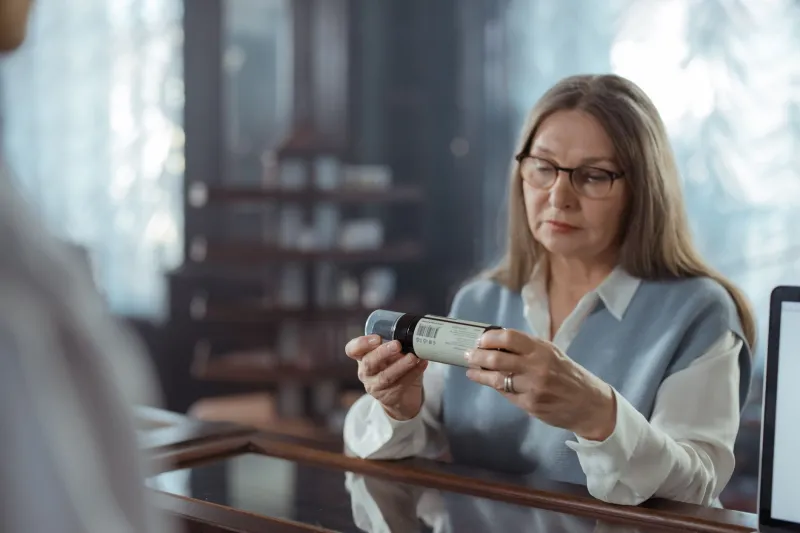
Let me guess. There's a bottle in your bathroom cabinet with a label from eight months ago, and you've taken maybe a third of it. You're not alone—and honestly, you're not even in the minority.
By some estimates, close to half of Americans with chronic conditions don't take their prescriptions the way they were written. Pills get skipped, doses get halved to stretch a refill, and entire bottles quietly expire behind the Q-tips. As a physician, I can tell you this drives us a little bit crazy—not because we're scolding you, but because the prescription sitting untouched in your cabinet can't do a thing for your blood pressure, your cholesterol, or your mood.
Here's the part nobody says out loud: your pharmacist already suspects. They see the refill gaps. They see you showing up three weeks late, or not at all. And they have a whole toolkit of fixes they'd love to use—if you'd just let them in on the secret.
Why We Ghost Our Own Medicine
Nobody skips pills because they love skipping pills. It happens for really human reasons:
- It's expensive. Even with insurance, a $45 copay every month adds up fast, especially if you're juggling two or three prescriptions.
- It's annoying. Side effects like nausea, brain fog, or a bathroom schedule you didn't sign up for can make every dose feel like a negotiation.
- It's forgettable. If you feel fine—and many conditions, like high blood pressure, feel like nothing—the pill becomes the first thing your brain deletes from the to-do list.
- It's a routine problem. Twice-daily dosing while traveling, working, or parenting is genuinely hard.
Notice that not one of those reasons is "you're lazy or irresponsible." Which is exactly why the fix isn't willpower. It's communication.
The Conversation You Should Be Having at the Pickup Window
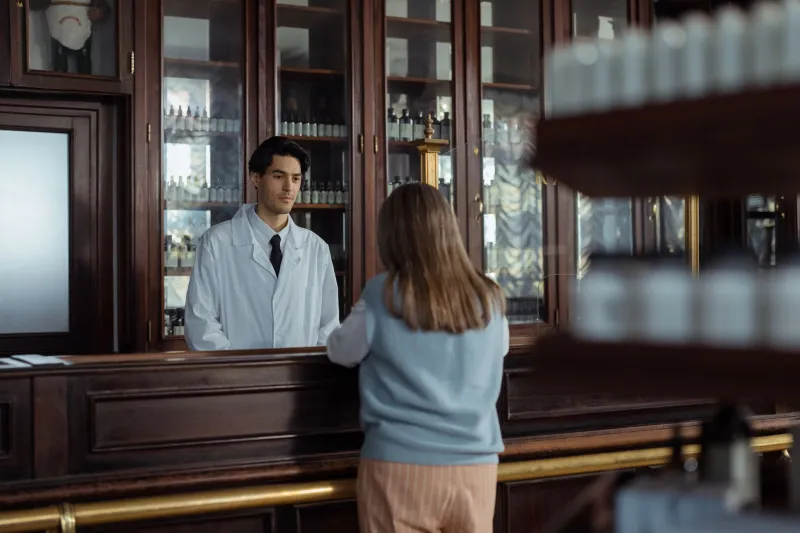
Most people treat the pharmacy like a drive-thru: hand over the card, take the bag, leave. But your pharmacist is one of the most underused resources in American healthcare—and unlike your doctor, they often have ten minutes and zero judgment.
A few sentences worth saying out loud:
- "I've been skipping doses because of the cost." This opens the door to generic alternatives, discount programs, a 90-day supply (often cheaper per pill), or a different drug in the same class that your plan covers better.
- "This medication makes me feel awful." Side effects are the number one reason people quietly quit. Sometimes the fix is timing (take it with food, take it at night), sometimes it's a dose adjustment, and sometimes it's a swap. None of that happens if nobody knows.
- "I keep forgetting." Pharmacists can flag whether a pill organizer, a once-daily combination pill, or an auto-refill sync would help. Ask if your medications can be synchronized so everything refills on the same day—it's a small change that saves a surprising number of people.
- "I stopped because I felt fine." Totally understandable, and worth a gentle reality check: most chronic conditions are silent right up until they aren't. Feeling good is often the medication working, not you not needing it.
Making Pills Actually Happen: A Practical Playbook
Once you've been honest about the why, here's what tends to work:
Tie it to something you already do. Coffee, tooth-brushing, the dog's dinner—habit stacking beats phone alarms for a lot of people, though honestly, use both.
Keep a travel dose in your bag. A small pill case in your everyday bag or car console means a busy Tuesday doesn't equal a missed Tuesday.
Do the math on 90-day fills. For maintenance medications, a three-month supply through mail order or a retail program often cuts both cost and the number of times you can forget to refill.
Ask about combination pills. If you're on two or three medications for the same condition, sometimes they come merged into one. Fewer pills, fewer chances to slip.
Tell your doctor about the gaps—not just the side effects. If a medication didn't work out and you stopped, we need to know that. Otherwise we assume the dose failed and we escalate, when the real problem was, say, a side effect a different drug wouldn't have caused.
One Last Thing
I know it can feel embarrassing to admit you haven't been taking something as directed. But here's the reframe: your pharmacist isn't keeping score—they're keeping you well. Every honest conversation at that counter is one they've had a hundred times, and every one of them gives them the information they need to actually help.
The bottle in your cabinet can't work if you don't take it. The pharmacist behind the counter can't help if you don't tell them. Two easy fixes, both free, both available this week.
That's the whole prescription.