Pink Eye, Back Pain, and That Weird Rash: A Cheat Sheet for Knowing When OTC Is Enough
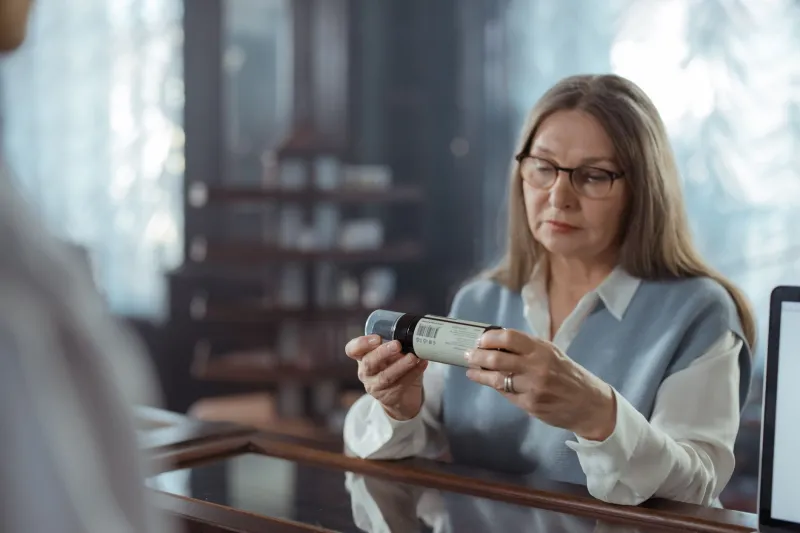
Let's be honest: by the time most of you book an appointment with me, you've already spent three days Googling, two nights at CVS reading ingredient labels, and at least one evening convinced you're dying. I get it. The American healthcare system makes it weirdly easier to buy a $9 cream than to see an actual human doctor.
But here's the thing—sometimes the drugstore really is the right answer. And sometimes 'let me just wait and see' turns a small problem into a big one. So let's walk through the classics: the symptoms I get asked about at dinner parties, and where the line falls between self-care and a doctor's visit.
Pink Eye: Mostly a Drugstore Problem (With a Catch)
Red, goopy, irritated eye? If it's mild, both eyes, and you've got the crusty-lash morning situation that screams viral conjunctivitis, over-the-counter lubricating drops and warm compresses will do most of the work. Viral pink eye clears on its own, usually within a week or two, no antibiotics required.
The catch: if one eye is violently red, you're in real pain, your vision is blurry, or you wear contacts, stop. Contacts plus eye symptoms is a conversation you have with a doctor the same day—corneal infections can move fast and threaten vision. Pain is the keyword here. Mild irritation, patience. Real pain, phone call.
UTIs: The One That Shouldn't Wait
This is where I'm going to be less chill than usual. Burning with urination, constant urge to pee, and pressure down low in an otherwise healthy adult woman? That's a classic urinary tract infection, and it will not fix itself with cranberry juice and good intentions. UTIs need a quick urine test and a short course of antibiotics—there's no effective over-the-counter cure in the US.
Here's why I don't recommend the wait-and-see approach: untreated UTIs can climb to your kidneys, and kidney infections mean fever, flank pain, and sometimes a hospital stay. If you get fever, chills, or back pain on top of the burning, that's urgent. Same goes for men with these symptoms, anyone pregnant, or folks with diabetes—call early.
Back Pain: The Waiting Game Usually Wins
Nine times out of ten, that back you threw out moving a couch (or sleeping weird, let's be real) is a muscle strain that wants three things: gentle movement, an over-the-counter anti-inflammatory like ibuprofen or naproxen, and heat. Not bed rest—stiff backs get stiffer when you lie around for a week.
Give it two to four weeks. Most people improve dramatically. But some back pain is a fake-out, and I need you to know the red flags: numbness in the groin or inner thighs, loss of bowel or bladder control, weakness in a leg, or pain after a significant fall. That combination can mean nerve compression and needs prompt attention—not next month, not next week.
Rashes: A Spectrum from 'Meh' to 'Now'
Rashes are the wildcard because they range from 'you used new detergent, congrats' to 'this is a medical emergency.' A few patches of itchiness that respond to hydrocortisone cream and an antihistamine? Totally reasonable to treat at home for a week or so.
But here's my rule of thumb: if a rash comes with fever, hurts rather than itches, blisters, spreads fast, or peels—especially if you recently started a new medication—get seen. A rash that doesn't blanch when you press a glass against it is a classic emergency sign. And any rash plus swelling of the lips or trouble breathing? That's not a drugstore question. That's 911.
Your Quick Triage Chart
| Symptom | Try OTC + patience | See a doctor |
|---|---|---|
| Pink eye | Mild, both eyes, no pain | One eye, pain, vision changes, contacts |
| UTI symptoms | — | Basically always; urgently with fever or back pain |
| Back pain | Muscle strain, improving, no nerve symptoms | Leg weakness, bladder/bowel changes, after major injury |
| Rash | Itchy, localized, responds to hydrocortisone | Fever, painful, spreading, blistering, new medication |
| Sore throat | Mild, runny nose too | Can't swallow, drooling, one-sided severe pain |
| Ear pain | Mild, after a cold, adult | Severe pain, discharge, any child under 2 |
The Real Talk Section
A few things I tell every patient: first, 'I'll wait and see' is a legitimate medical strategy—for the right symptoms. Sprains, mild colds, and viral pink eye all reward patience. Infections like UTIs punish it.
Second, know your baseline. If you're diabetic, pregnant, immunocompromised, or over 65, shift every line on that chart toward 'see a doctor.' What's a nuisance in a healthy 30-year-old can be a real problem for you.
Third—and I say this with love—the pharmacist is the most underused resource in American healthcare. Ask them. They know drug interactions, dosing, and when a symptom pattern smells like something bigger. They'll tell you to come see someone like me when it's time.
The goal here isn't to make you your own doctor. It's to make you a smarter user of the one you've got.