Two Hours in a Waiting Room Shouldn't Count as Preventive Care
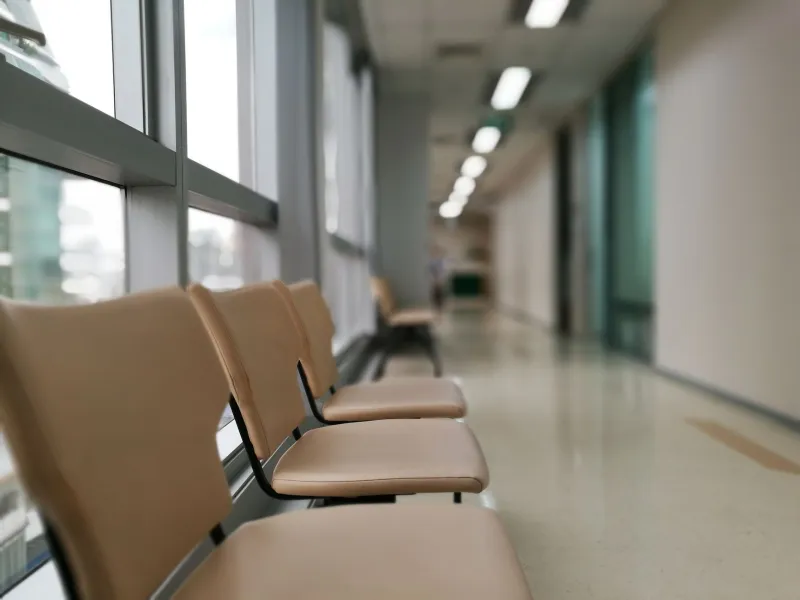
Let me paint a picture you probably know by heart. You took the morning off work. You arranged childcare. You drove twenty minutes, circled the parking garage twice, and checked in at 9:40 for a 10:00 appointment. It's now 11:15 and you're watching a muted HGTV rerun on a wall-mounted TV, wondering if you should just reschedule. You don't, because you already burned the PTO.
Here's the thing that keeps me up at night: that waiting room chair might be the single biggest barrier between Americans and the preventive care we're all supposed to be getting. Not cost. Not fear of needles. The chair.
The Math Doesn't Work for Most People
I've practiced long enough to see who comes back and who quietly disappears from my schedule. And the pattern isn't hard to read. Patients with salaried jobs, flexible managers, or a spouse who can cover the school pickup? They follow up. Patients paid hourly, juggling shift work, or caring for an aging parent? A lot of them don't—not because they don't care about their blood pressure, but because a "quick follow-up" somehow costs them half a day.
When researchers look at no-show rates, they often blame patient forgetfulness or apathy. In my experience, that's mostly wrong. People aren't flaking. They're making a rational calculation: two unpaid hours in a lobby versus two hours of wages, plus gas, plus parking, plus the risk that their boss notices. Guess which side wins more often than it should.
And every skipped follow-up has a downstream cost—a missed medication adjustment, a screening that slips by a year, a borderline A1c that becomes full diabetes. We literally designed a system that punishes the people most likely to need us.
Why Is This So Hard to Fix?
Fair question, and I'll defend my colleagues a bit here. Doctors aren't lounging around. Most of us run behind because appointment slots were sized for a healthcare system that no longer exists. A 15-minute visit built for "my knee hurts" now has to absorb medication refills, insurance prior authorizations, mental health screening, and the three other things you saved up since last time. Something gives, and it's usually the clock.
Add in no-shows themselves—a clinic that expects 20% of patients to vanish builds that delay back into the schedule, which makes waits longer, which causes more no-shows. It's a loop, and nobody in it is having fun.
But here's where my sympathy runs out: plenty of health systems could do better and don't. Text updates when the doctor is running 45 minutes behind. Open-access scheduling that holds slots for same-day needs. Telehealth for the visits that genuinely don't require a physical exam. Some systems do all of this. It's not rocket science; it's a choice.
What You Can Actually Do
While we wait for the industry to fix itself—don't hold your breath—here's your practical playbook:
Book the first slot of the day or right after lunch. Morning clinics start on time far more often than the 3:00 PM slot, by which point every earlier delay has snowballed.
Call ahead and ask the question nobody asks: "Is Dr. Smith running on schedule today?" Front desk staff usually know, and they'll often tell you if you frame it as planning around it rather than complaining.
Ask if part of your visit can happen virtually. Reviewing lab results, adjusting a stable medication, or discussing your sleep habits? That's often a video call or even a phone call. Save the in-person time for when hands-on matters.
Bring your list—and hand it over in the first two minutes. A huge driver of visit overruns is the classic end-of-appointment "oh, and one more thing." Lead with your top three concerns. It protects your time and everyone behind you in the queue.
Know when the waiting room is worth it. Chest pain, stroke symptoms, severe shortness of breath—skip the schedule entirely and get emergency care. The problem isn't waiting when it's appropriate; it's waiting when it isn't.
A Word to the Health Systems Reading This (A Doctor Can Dream)
If you run a clinic, audit your waits the way you audit your billing. Track it. Text patients real-time updates. Stop double-booking new patients. Pay someone to make follow-up calls, because a five-minute phone call is cheaper than an ER visit for the uncontrolled hypertension that followed. And for the love of stethoscopes, offer appointment windows instead of exact times when you know you run behind—honesty is a form of respect.
The Bottom Line
Preventive care only works if people can actually access it, and access isn't just about whether a practice accepts your insurance. It's about whether a normal person with a normal job can get seen without sacrificing a workday to a lobby television.
So the next time you're tempted to skip a follow-up because the wait feels unbearable—don't skip the care. Skip the wait. Ask for the first appointment, request a telehealth option, and advocate like your health depends on your calendar. Because honestly? Sometimes it does.
I'll be in my exam room, running exactly on time. A doctor can dream.