Your Lab Report Called—It Wants You to Stop Panicking and Start Understanding It
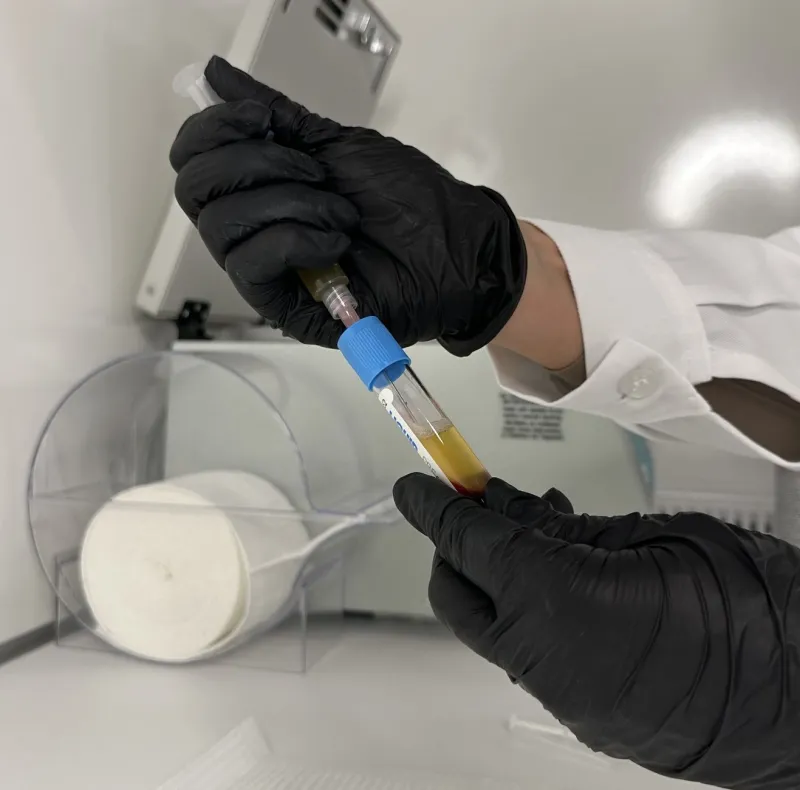
We've all been there. You get a routine physical, go about your week, and then your phone buzzes: "Your test results are available." You open the portal, and suddenly you're staring at a grid of abbreviations, reference ranges, and a flag or two in red. Your heart rate spikes before your coffee even kicks in.
Take a breath. Blood work is one of the most useful tools in preventive medicine, but almost nobody teaches regular people how to read it. Let's fix that.
First, Understand What a "Normal Range" Actually Is
Those reference ranges on your report aren't commandments carved in stone. They're statistical snapshots—typically the middle 95% of results from a large group of healthy people. That means roughly 1 in 20 perfectly healthy people will fall outside the range on at least one marker.
A result that's 2 points over the line isn't a verdict. It's a nudge to look at the whole picture: your age, your medications, your family history, and whether that number has been creeping up over time.
The Big Five on a Standard US Panel
CBC: The Complete Blood Count
This is your blood's census—red cells, white cells, and platelets. Doctors scan it for anemia (low hemoglobin), signs of infection (white cell shifts), and clotting issues. Minor wobbles here are extremely common. Being slightly dehydrated before your draw can nudge your hemoglobin up; a recent cold can shift your white count.
Lipid Panel: Cholesterol, Decoded
Total cholesterol gets all the attention, but it's the least useful number on the page. What matters more:
- LDL — the "gunk" that builds up in artery walls. Lower is generally better, especially if you have other risk factors.
- HDL — the cleanup crew. Higher tends to be protective.
- Triglycerides — these respond fast to lifestyle. A heavy pasta dinner or a glass of wine the night before your draw can inflate them.
A lipid panel is a risk conversation, not a pass/fail exam.
Hemoglobin A1C: Your Three-Month Sugar Diary
Unlike a glucose reading, which captures one moment in time, A1C reflects your average blood sugar over roughly 90 days. Under 5.7% is considered normal, 5.7–6.4% lands in prediabetes territory, and 6.5% or above suggests diabetes.
If yours came back at 5.8%, don't spiral—but don't ignore it either. This is one of those numbers where an early nudge genuinely changes your trajectory.
Thyroid Markers: TSH and Friends
TSH (thyroid-stimulating hormone) is usually the first line. It runs your metabolism, energy, mood, and body temperature. Fatigue, unexplained weight changes, and feeling cold all the time can all trace back here. But thyroid values fluctuate naturally, so a single borderline result is rarely acted on without a repeat.
Vitamin D: The Everyone's-Low-It Panel Favorite
Half of American adults run low on vitamin D, especially those of us living anywhere that gets a real winter. It's an easy fix, but the optimal level is debated—don't mega-dose on supplements without guidance, since more isn't automatically better.
What "Slightly Elevated" Really Means
Here's the honest translation: something caught our eye, and we want to look again. Borderline results are usually follow-up material, not emergencies. The exceptions—numbers that warrant a prompt call—are dramatic outliers or results flagged alongside symptoms.
Also worth knowing: how you prep matters. Fasting requirements, morning workouts, a weekend of barbecue, even a rough night of sleep can bend your numbers. If your panel looked off, ask whether a redraw under better conditions makes sense. Most doctors are happy to repeat a test before drawing conclusions.
When to Push for a Repeat
You're not being difficult by asking. You're being thorough. Request a recheck when:
- A result is just barely outside the range and you felt fine
- The draw conditions were less than ideal (not fasted, sick, dehydrated)
- No one explained what the result means for you specifically
Bring These Questions to Your Next Appointment
- "Which of these numbers matters most for someone like me?" A 28-year-old and a 62-year-old with identical panels get different advice.
- "What was this number last year, and which direction is it heading?" Trends beat snapshots.
- "Is there anything I can do about this without medication?" Sometimes yes, sometimes no—but you deserve to know which.
- "When should we recheck this?" A follow-up plan turns a scary flag into a manageable to-do.
The Bottom Line
Your lab report isn't written to alarm you—it's written for clinicians, which is why it reads like alphabet soup. The real skill is understanding which numbers are worth your attention, which ones deserve a second look, and which ones are noise. Bring your questions, ask for trends over time, and remember: a red flag in a portal is a starting point for a conversation, never the end of one.